Chronicles
Guan Yu’s death: Loyalty or strategic mistake?
Explore whether Guan Yu’s legendary loyalty was noble or a fatal error, and what leaders today can learn from his controversial downfall.

Rayden C
September 1, 2025 — 5 minutes read
A hero’s last stand
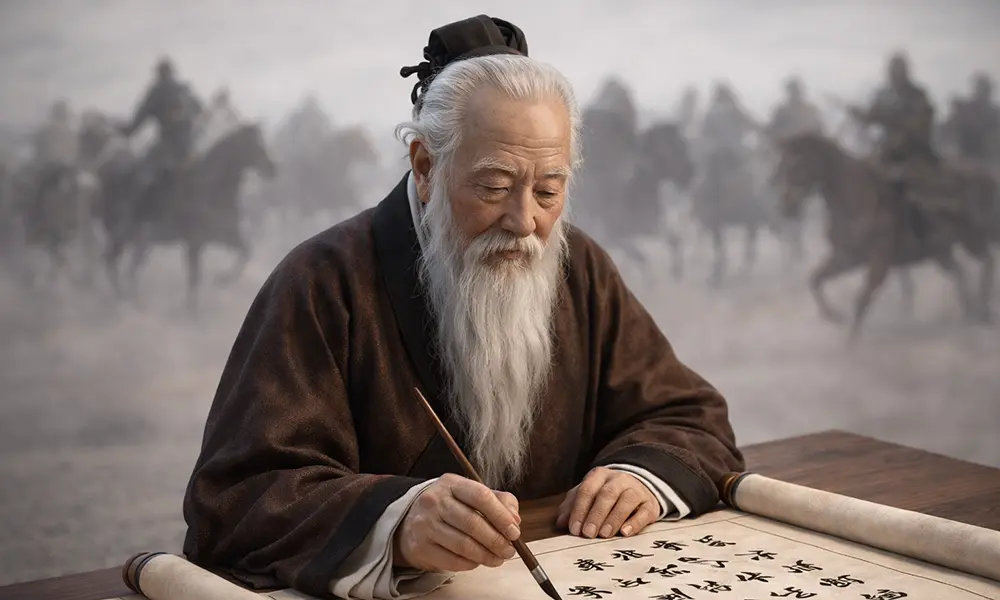
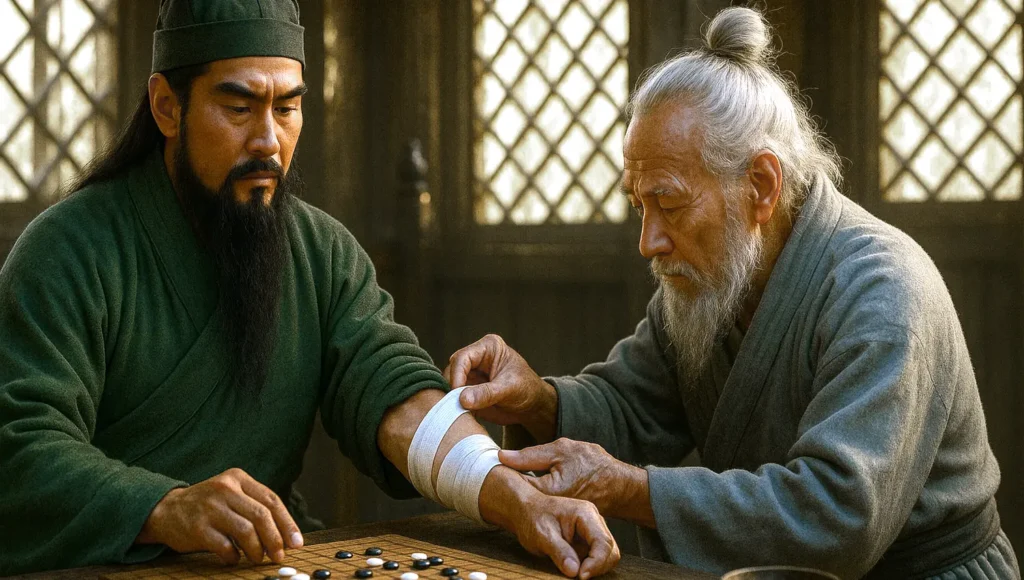
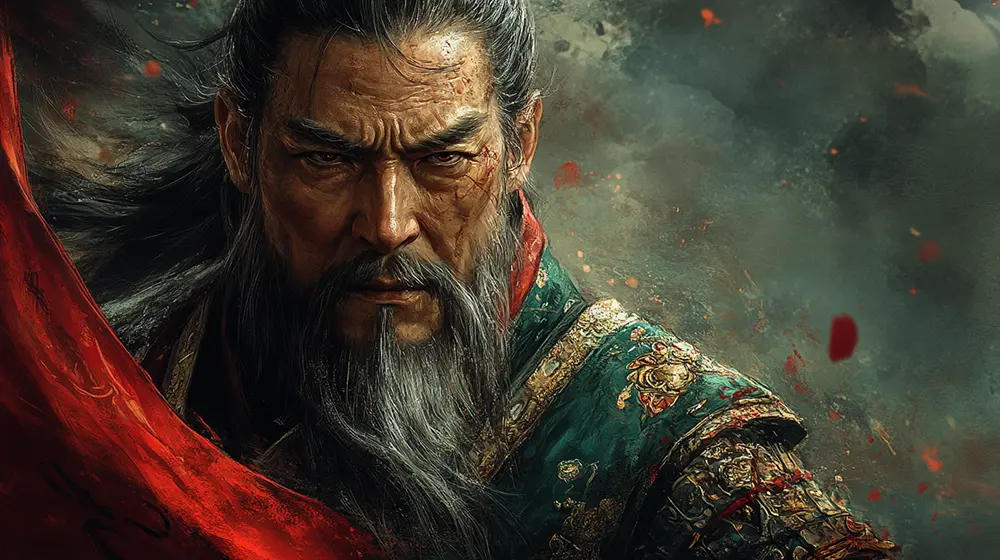
Few deaths in Romance of the Three Kingdoms have been retold as often, or with as much emotion, as Guan Yu’s. Known to later generations as the “God of War” and a symbol of unwavering loyalty, Guan Yu met his end in 220 CE after being surrounded by the forces of Sun Quan, his one-time ally turned rival. The man who once strode across battlefields with his famous Green Dragon Crescent Blade was captured and executed, a death that shocked his allies and emboldened his enemies.
But Guan Yu’s final campaign was more than just a tragic battlefield loss. It was the culmination of decisions driven by loyalty, pride, and perhaps a misreading of the political chessboard. While later folklore elevates his end to that of a martyr, contemporary historians have long debated whether his downfall was the result of noble virtue or avoidable error. Was Guan Yu a victim of treachery, or did he march into his own demise, blind to the shifting tides of alliance and opportunity? His death sits at the intersection of two timeless leadership dilemmas: when to stand firm for one’s principles and when to adapt for survival. In Guan Yu’s case, that tension became a fatal flaw.
The loyalty that defined and constrained him
From the moment Guan Yu swore the Peach Garden Oath alongside Liu Bei and Zhang Fei, loyalty became his defining trait. For Guan Yu, the bond between brothers was sacred, not merely a matter of convenience. This personal code made him both an ideal ally and a predictable one, a dangerous combination in the volatile world of the Three Kingdoms.
His refusal to bow to Cao Cao after being captured earlier in life, despite generous gifts and titles, cemented his reputation as a man of unshakable integrity. To many, this was the ultimate proof of character; to others, it showed a dangerous inflexibility. Loyalty elevated him to near-legendary status among Liu Bei’s followers, but it also made compromise nearly impossible when political circumstances changed.
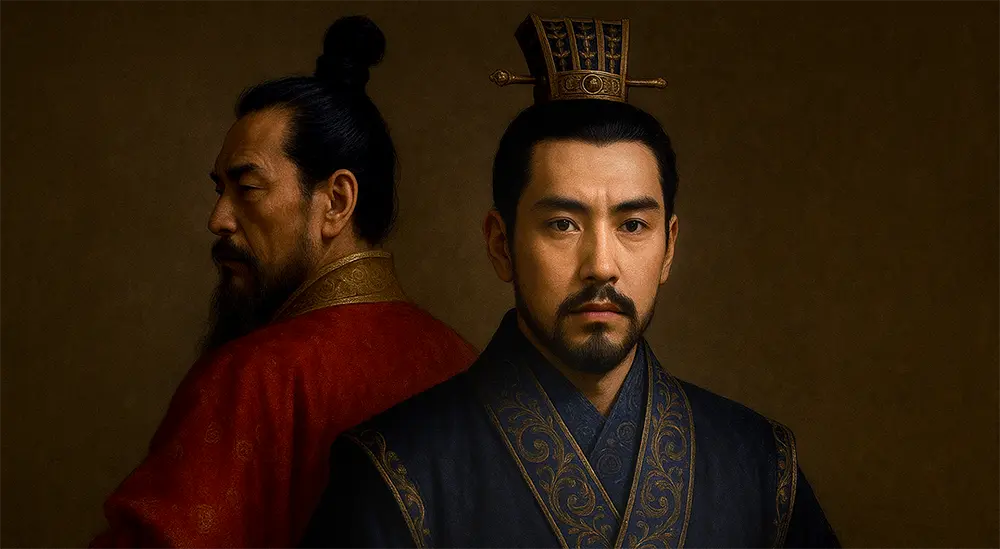
By the time of his final campaign, Guan Yu had achieved significant military success, including the capture of Xiangyang and Fan Castle. However, his unwillingness to maintain cordial relations with Sun Quan, dismissing him as unworthy of marriage ties to Liu Bei’s family, sowed seeds of enmity. In war, enemies can sometimes be turned into allies; Guan Yu, bound by his own sense of honor and disdain for perceived insults, closed that door himself.
The strategic missteps that sealed his fate
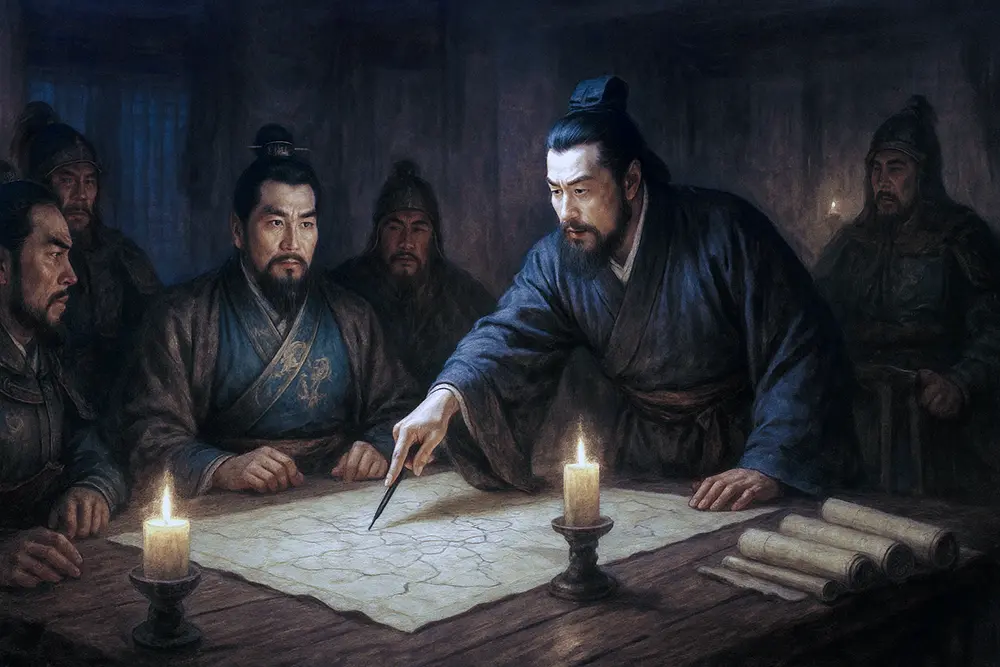
From a purely strategic perspective, Guan Yu’s downfall was as much about overextension as it was about loyalty. While besieging Fan Castle, he diverted too many forces, leaving his supply lines vulnerable. Meanwhile, Sun Quan, sensing opportunity, struck swiftly, sending troops to seize Guan Yu’s base at Jing Province, cutting him off from retreat.
Compounding this was Guan Yu’s overconfidence. His string of victories may have given him the sense that Sun Quan’s forces were not a serious threat. This underestimation proved disastrous. By the time Guan Yu realized the danger, his forces were surrounded, his escape routes blocked, and his fate sealed. In leadership terms, Guan Yu’s actions demonstrate the peril of focusing too narrowly on a single goal, in his case, defeating Cao Ren at Fan Castle, without maintaining a broader awareness of the political and military landscape. His loyalty to Liu Bei’s cause was unquestionable, but it blinded him to the reality that alliances in the Three Kingdoms were temporary and conditional. Had he been more pragmatic, he might have recognized Sun Quan’s shift in posture earlier and negotiated a temporary truce or retreat.
Lessons for leaders today
Guan Yu’s death is a stark reminder that in leadership, virtues can become vulnerabilities when applied without flexibility. Loyalty is admirable, it builds trust, fosters long-term alliances, and creates a sense of shared purpose. But when loyalty turns into rigidity, it can lead to strategic blindness.
For modern leaders, whether in business, politics, or community work, Guan Yu’s fate poses a critical question: when does standing firm become standing still? The best leaders know when to hold the line and when to pivot, recognizing that adaptability is not betrayal but survival.
Guan Yu’s legacy endures because he embodied the ideal of loyalty so completely that it became inseparable from his identity. Yet his end also teaches that even the noblest of virtues must be balanced with strategic awareness. Without it, a leader risks not just their own downfall, but the weakening of the cause they serve.
In the end, Guan Yu remains both a cautionary tale and a cultural icon, proof that history rarely hands us clear heroes or villains, but instead complex figures whose greatest strengths are inseparable from their greatest flaws.
Discover our recent stories


 Reflections
Cao Pi: Leading in the shadow of Cao Cao