Reflections
Cao Pi: Leading in the shadow of Cao Cao
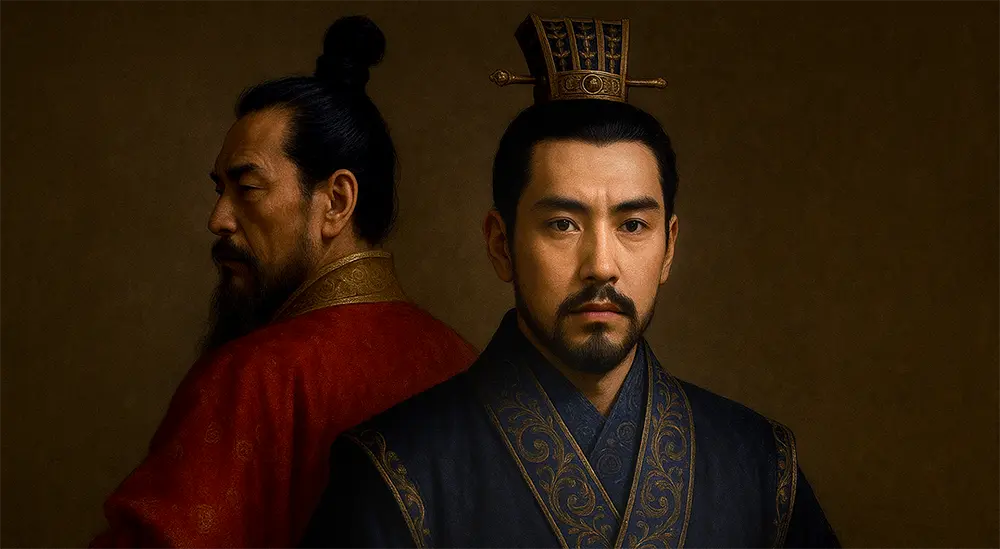
Cao Pi’s rise as heir to Cao Cao’s vast legacy captures the struggle of leading under the weight of expectation.

Rayden C
November 17, 2025 — 5 minutes read
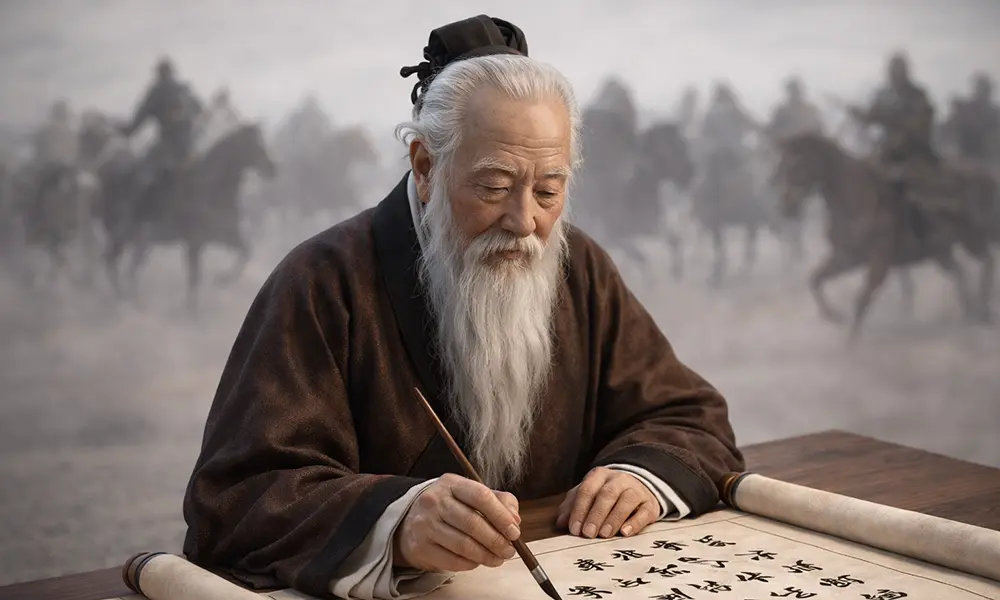
In Romance of the Three Kingdoms, Cao Pi inherits more than a kingdom, he inherits the shadow of his father, Cao Cao, one of the most brilliant and feared warlords of his era. Cao Cao’s reputation is legendary: a master of strategy, a charismatic leader, and a ruthless enforcer of order. Romance of the Three Kingdoms emphasizes that from the moment Cao Pi steps into power, he is constantly measured against his father’s towering legacy.
Cao Pi is capable, intelligent, and politically astute, yet every decision he makes is filtered through the expectations created by Cao Cao’s achievements. Whether in court or on the campaign trail, he must navigate the perception that he is stepping into enormous shoes. Romance of the Three Kingdoms subtly yet consistently portrays this tension, revealing a man who is both ambitious and wary, aware that his reign will forever be compared to that of his father.
As he claims power, Cao Pi faces a central question: can he lead on his own terms, or is he trapped by his father’s shadow? His story illustrates a dilemma all leaders face: how to achieve impact when predecessors set legendary standards.
Securing the throne through strategy
Cao Pi’s path to power was fraught with internal rivalry, most notably with his younger brother, Cao Zhi. In Romance of the Three Kingdoms, Cao Zhi is celebrated for his literary talent, charm, and popularity among ministers and courtiers, making him a natural rival for succession. Cao Pi recognizes this threat early and takes subtle, calculated measures to secure his position.
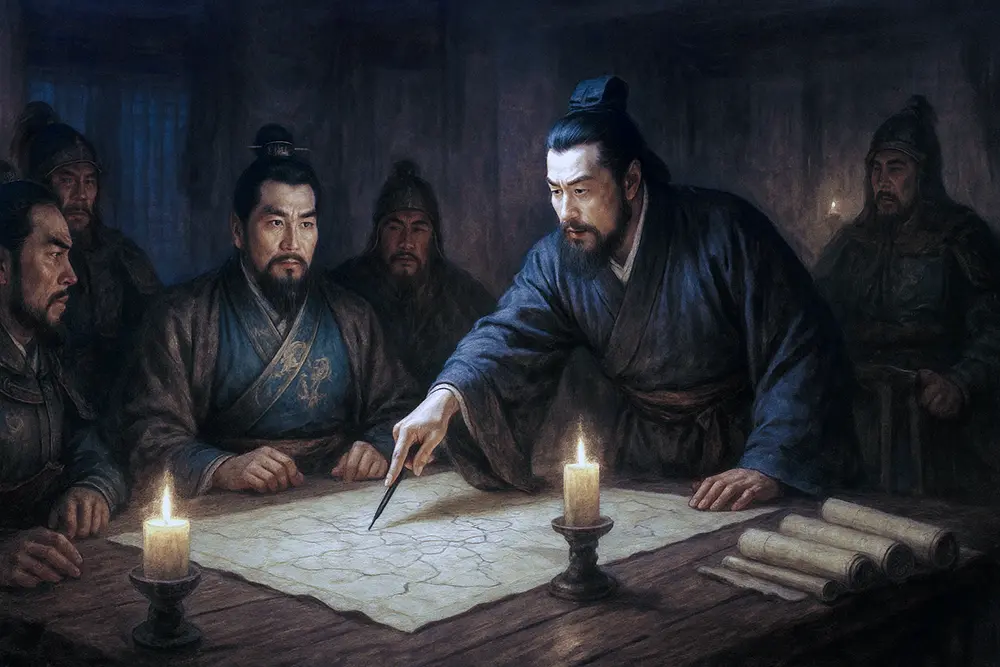
Rather than confronting Cao Zhi openly, Cao Pi cultivates loyal ministers and advisors who can influence perceptions in his favor. He highlights potential weaknesses in Cao Zhi’s temperament and subtly undermines his suitability to inherit leadership. Romance of the Three Kingdoms describes instances where Cao Pi’s quiet scheming ensures that even those who admired Cao Zhi begin to see Cao Pi as the natural heir.
When Emperor Xian abdicates, Cao Pi ascends as the first emperor of Wei. The novel frames this not as a simple inheritance, but as the culmination of strategic foresight, patient maneuvering, and shrewd understanding of human behavior. Unlike battlefield heroics, this is a battle of perception, alliances, and timing, a less dramatic but equally decisive form of leadership.
Cao Pi’s handling of succession mirrors challenges faced by modern leaders who inherit family businesses or take over organizations with iconic founders. Success often requires political intelligence, patience, and the ability to navigate both visible and hidden rivalries.
Overcompensation and the hasty Wu campaign
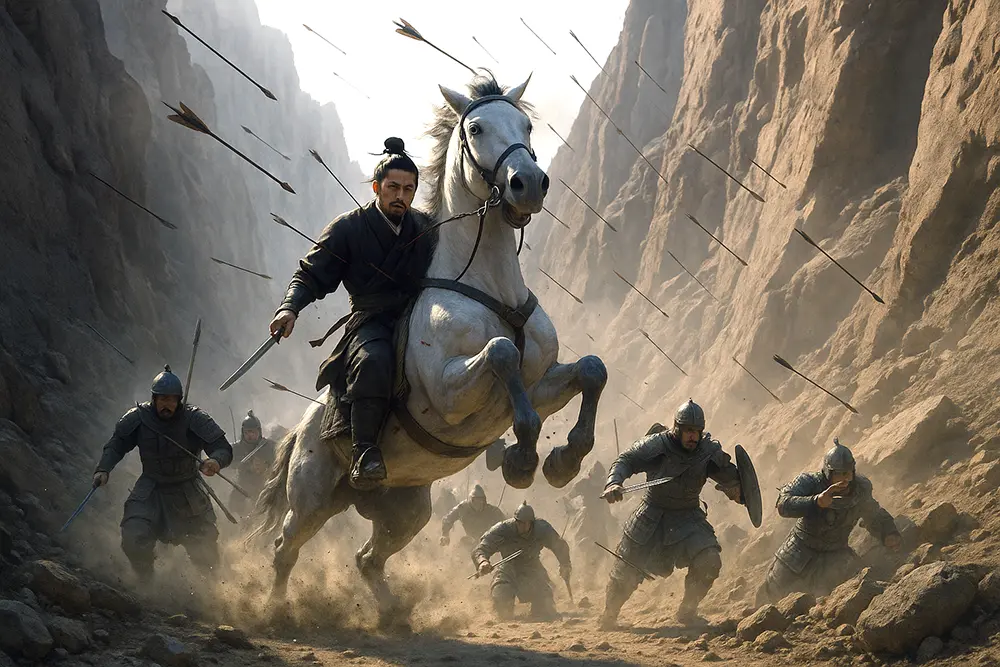
While Cao Pi is generally cautious, Romance of the Three Kingdoms recounts moments where ambition overrides prudence. One of the most notable is his campaign against Sun Quan’s Wu. Determined to assert dominance and prove his capability, Cao Pi launches a large-scale offensive without fully accounting for Wu’s formidable naval strength or the strategic advantages of their terrain.
The campaign ends in stalemate. Romance of the Three Kingdoms emphasizes that this is not a catastrophic failure, but a rare lapse in judgment that contrasts with his otherwise measured leadership. It demonstrates the human tendency to overreach when attempting to establish authority or match the daring of a predecessor.
The Wu campaign also illustrates the delicate balance between ambition and restraint. Cao Pi’s eagerness to seize the moment was understandable, he wanted to show he could lead Wei decisively but the novel portrays it as a lesson in timing, preparation, and the limits of caution when ambition is at stake.
Reader insight: Modern leaders face similar dilemmas. Expansion into new markets, high-risk initiatives, or aggressive strategic moves require a careful assessment of resources, competition, and timing. Cao Pi’s experience reminds us that calculated ambition must be paired with strategic prudence.
Legacy, leadership, and quiet influence
Romance of the Three Kingdoms frequently contrasts Cao Pi with more flamboyant contemporaries: Zhuge Liang, whose brilliance dazzles; Liu Bei, whose charisma inspires loyalty; and Sun Quan, whose diplomacy secures the survival of his state. Against these vivid figures, Cao Pi is quieter, less celebrated, yet fundamentally effective.
He stabilizes Wei, consolidates authority, promotes culture and literature, and nurtures philosophical and administrative excellence. The novel portrays him as the caretaker of his father’s legacy, a ruler whose influence is subtle but enduring. While others earned glory through conquest and intrigue, Cao Pi secured his place in history by preserving stability, strengthening governance, and ensuring his empire endured.
His story reminds us that leadership is multifaceted. Not all impact comes from bold, visible acts. Some of the most crucial contributions are the quiet ones: stabilizing institutions, fostering culture, and ensuring continuity in turbulent times.
What Cao Pi teaches us today
Cao Pi’s story offers rich lessons for modern leaders navigating inherited expectations, strategic challenges, and complex organizational dynamics:
- Leading under a legacy: Just as Cao Pi operated under Cao Cao’s shadow, modern leaders often inherit organizations with legendary founders. Success depends on understanding expectations, managing perceptions, and asserting authority without alienating stakeholders.
- Balancing ambition and prudence: Cao Pi’s cautious governance, contrasted with the hasty Wu campaign, shows the delicate tension between risk and restraint. Leaders today must weigh ambition against resources, timing, and long-term consequences.
- Leadership comes in many forms: Cao Pi demonstrates that stewardship, stability, and culture-building are as impactful as visionary, high-risk leadership. Preserving an organization’s foundation is itself a powerful achievement.
Ultimately, Cao Pi may never match the legendary exploits of his father, but Romance of the Three Kingdoms portrays him as a ruler who survives, adapts, and manages expectations, a story as relevant today as it was in the Three Kingdoms era. His life reminds us that sometimes leading quietly in the shadow can be as impactful as blazing a trail in the spotlight.