Chronicles
Hua Tuo: The doctor who could have changed history
Hua Tuo offered a cure for Cao Cao but was executed instead. How different might history have been if he had lived?

Rayden C
December 1, 2025 — 4 minutes read
A physician ahead of his time
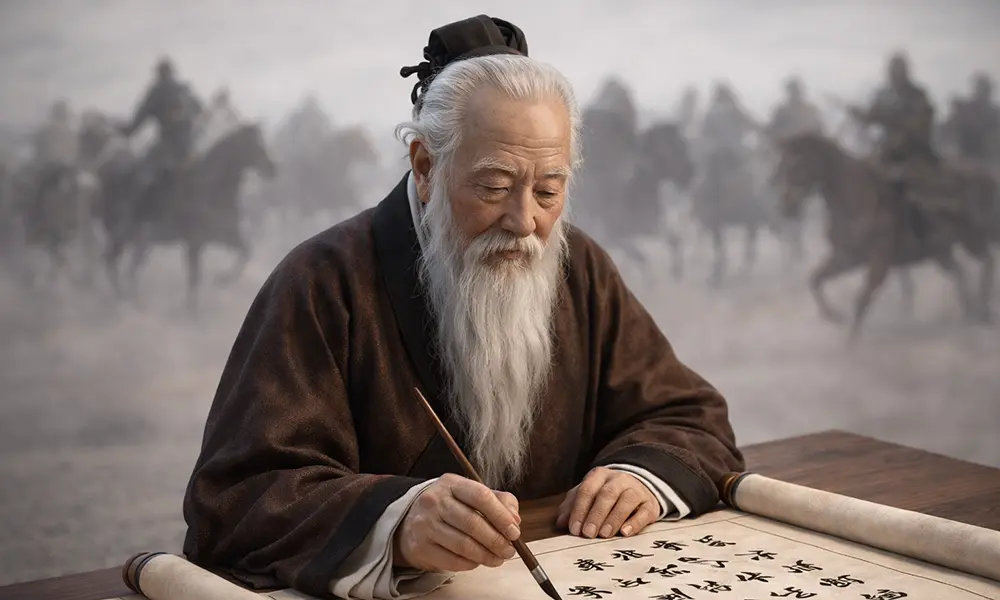
In the epic of the Three Kingdoms, warlords ruled, but Hua Tuo, a physician whose influence could have changed China’s fate, stood apart. He wielded scalpels and herbs with a skill as potent as any sword, focusing on healing rather than power.
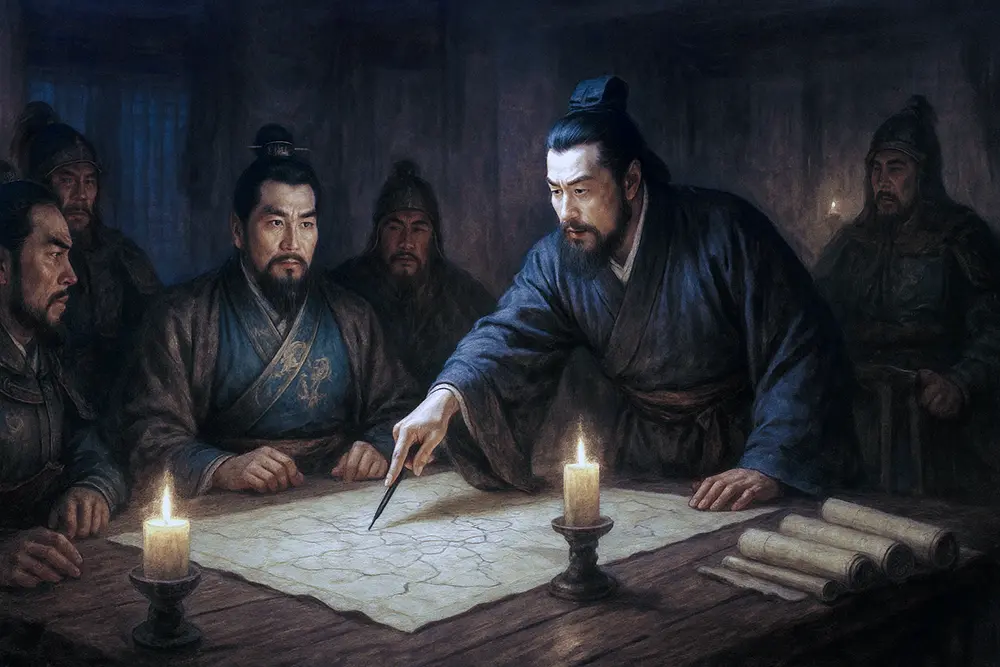
Hua Tuo’s fame rests on a simple but extraordinary offer. When Cao Cao, the warlord who nearly unified China, was plagued by chronic headaches, Hua Tuo suggested a radical treatment: an open-head surgery using anesthesia made from herbal concoctions, later remembered as mafeisan. It was a concept far ahead of its time. Centuries before Western medicine would perfect surgical anaesthesia, Hua Tuo had already envisioned and practised procedures that seem almost modern.
But fate intervened. Cao Cao, suspicious of betrayal and consumed by paranoia, ordered Hua Tuo’s execution. The doctor’s notes, which might have contained priceless medical knowledge, were reportedly destroyed. A single man’s mistrust extinguished what could have been centuries of medical advancement.
The “what if” of history
Hua Tuo’s death invites one of the most tantalising “what ifs” in history. What if Cao Cao had trusted him? What if Hua Tuo’s techniques had survived? Would China have developed surgical methods centuries earlier? Could lives lost to infections, wounds, or even battlefield trauma have been saved with his innovations?
This single moment encapsulates how fragile progress can be. Knowledge depends not only on discovery but also on preservation and trust. Hua Tuo’s skills, unmatched for his time, fell victim to fear and power politics. History is filled with such turning points — moments when human advancement was delayed not because of lack of brilliance, but because of distrust, ego, or shortsightedness.
A doctor’s courage
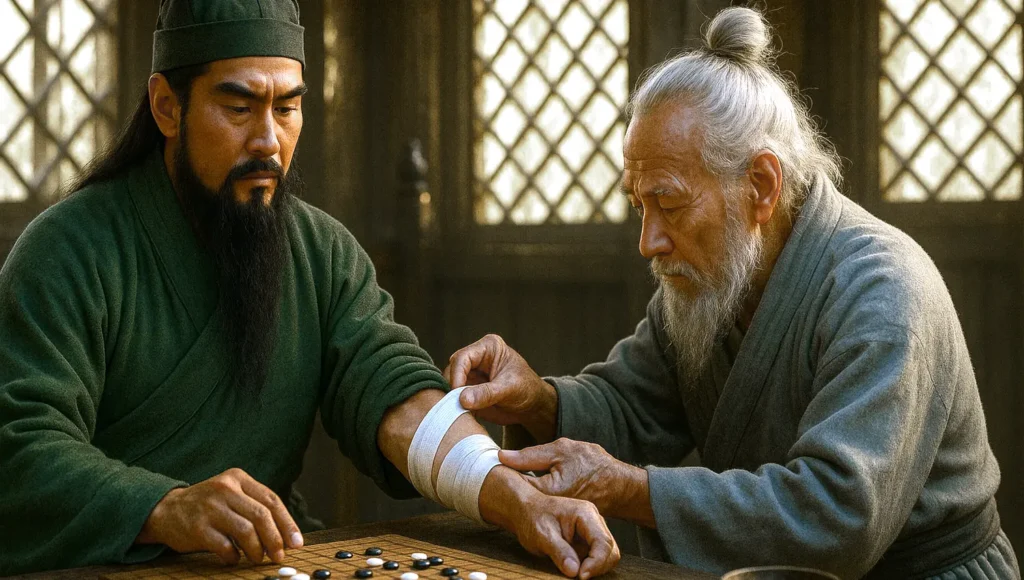
It is easy to remember Hua Tuo for what was lost, but we should not forget what he dared. He treated not only warlords but also commoners, applying his methods without bias. He famously operated on Guan Yu when the general sustained a poisoned arrow wound to the arm, scraping the bone while Guan Yu drank wine and chatted calmly. This blend of medical skill and patient bravery made the story legendary.
Unlike the warriors of his age, Hua Tuo’s courage was not found in slaying enemies but in challenging boundaries. Suggesting open-brain surgery to one of the most suspicious rulers in history was a risk greater than most battles. In that moment, Hua Tuo embodied the rare figure who could see beyond his time.
Modern parallels
The tragedy of Hua Tuo resonates today. In business, science, and leadership, progress is often stunted not by lack of ideas but by resistance to them. Visionary thinkers, like Hua Tuo, sometimes face suspicion because they challenge norms. Consider innovators whose breakthroughs were dismissed until much later — Nikola Tesla with electricity, or Ignaz Semmelweis, who argued that doctors should wash their hands long before germ theory was accepted.
In the corporate world, too, ideas are sometimes killed because leaders fear disruption. A ground-breaking proposal can be seen not as an opportunity but as a threat. Hua Tuo’s fate shows the cost of such fear: the world can lose centuries of advancement because of one leader’s mistrust.
Rethinking legacy
Hua Tuo’s story forces us to rethink what legacy means. He left no dynasty, no conquests, no monumental structures. Yet his name endures because of what he symbolises: untapped potential, brilliance ahead of its age, and the cost of shortsighted decisions. For modern readers, Hua Tuo reminds us that protecting and nurturing innovation is as important as celebrating it.
The question his story leaves us with is not just “what if he had lived?” but “how do we ensure today’s Hua Tuos are not silenced?” Whether in medicine, business, or technology, fostering trust in visionaries may be the difference between progress today and progress delayed by centuries.
Discover our recent stories


 Reflections
Cao Pi: Leading in the shadow of Cao Cao